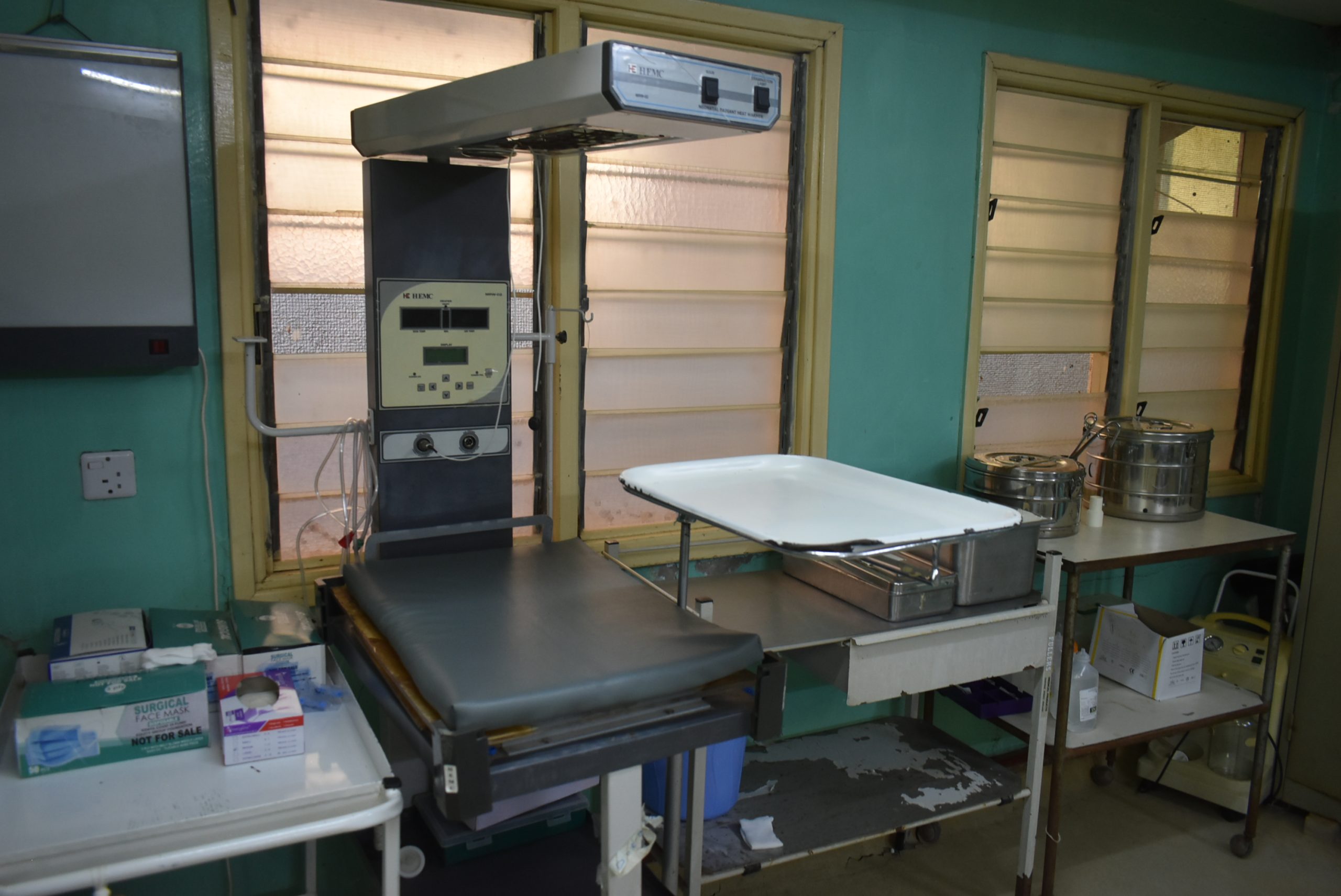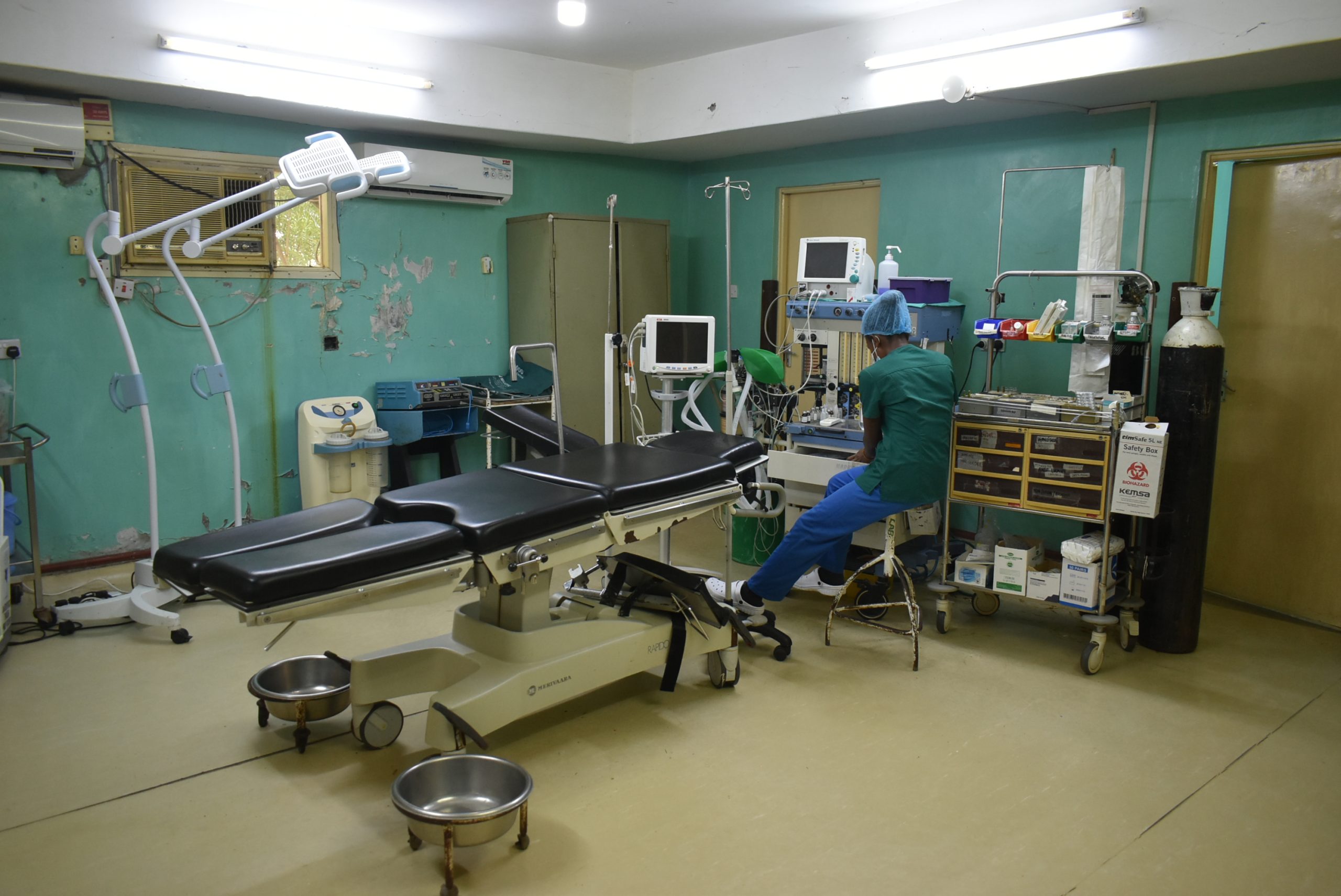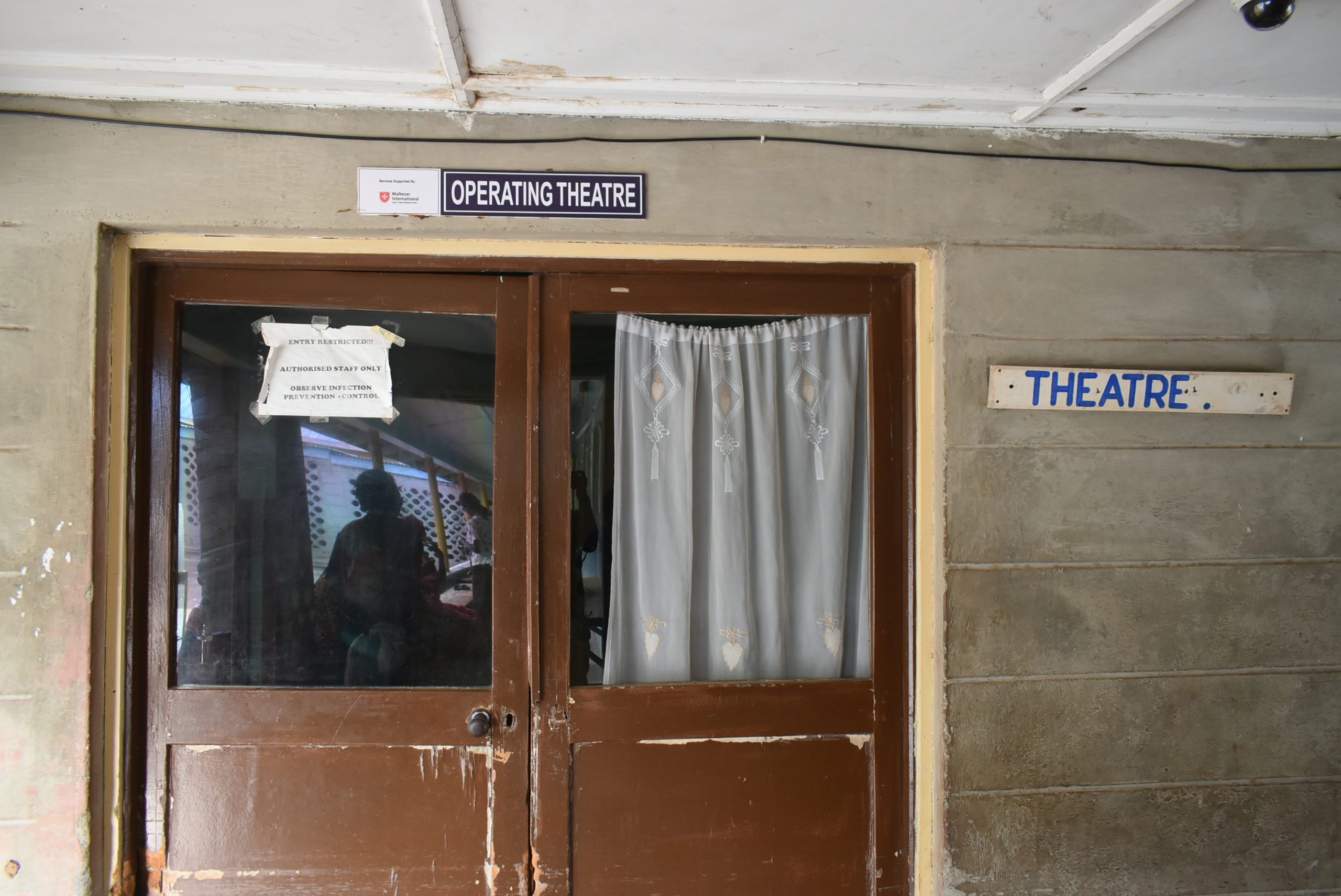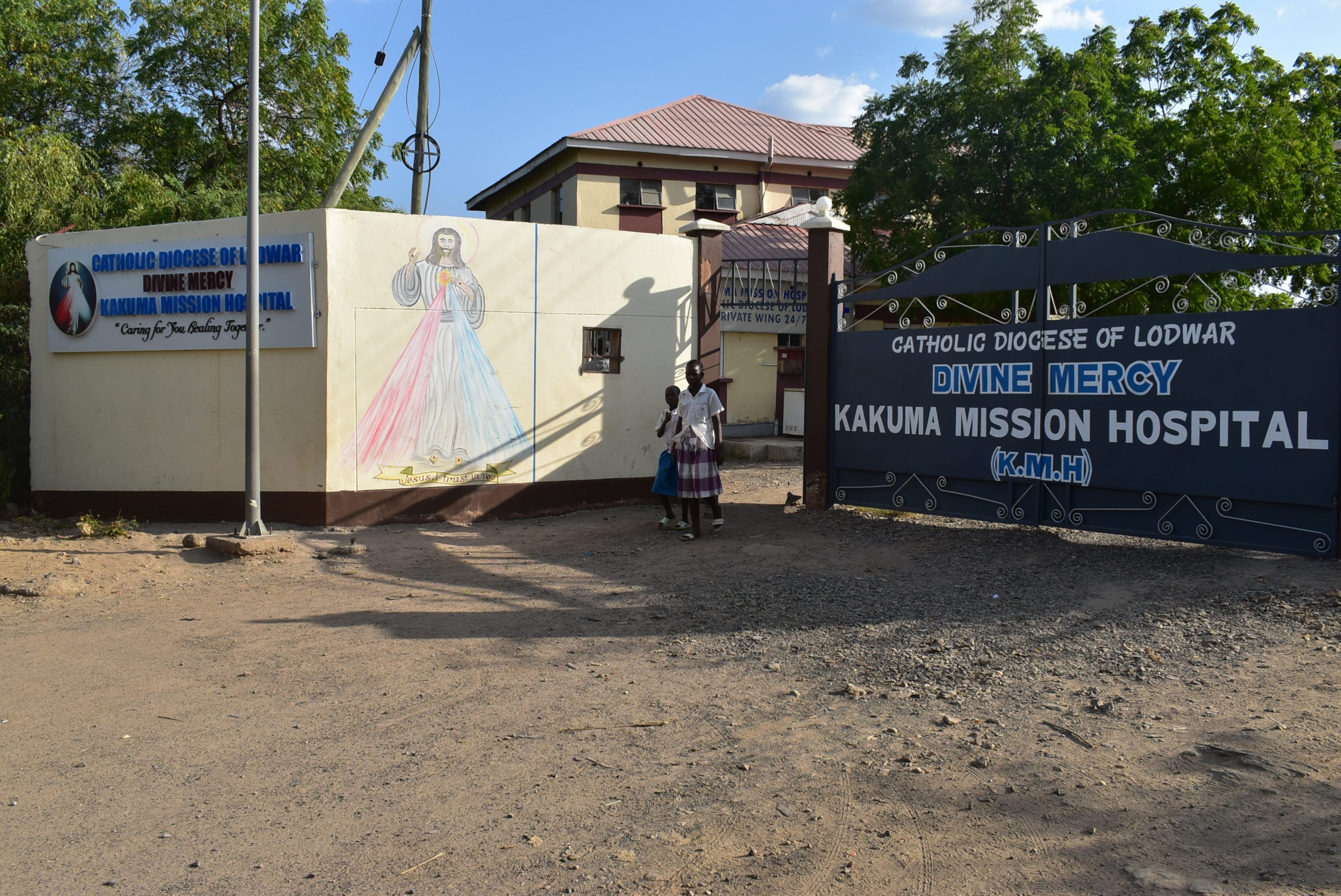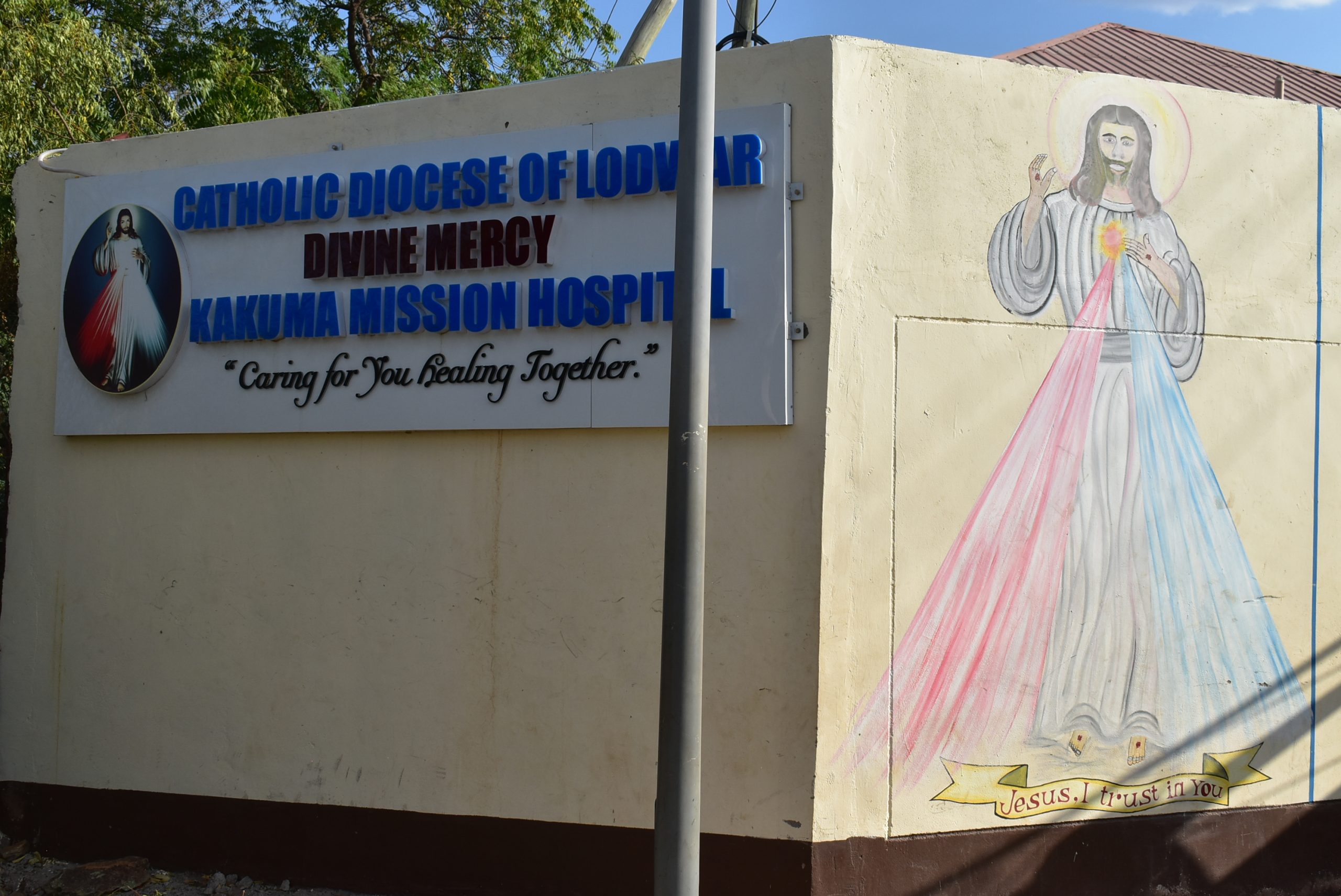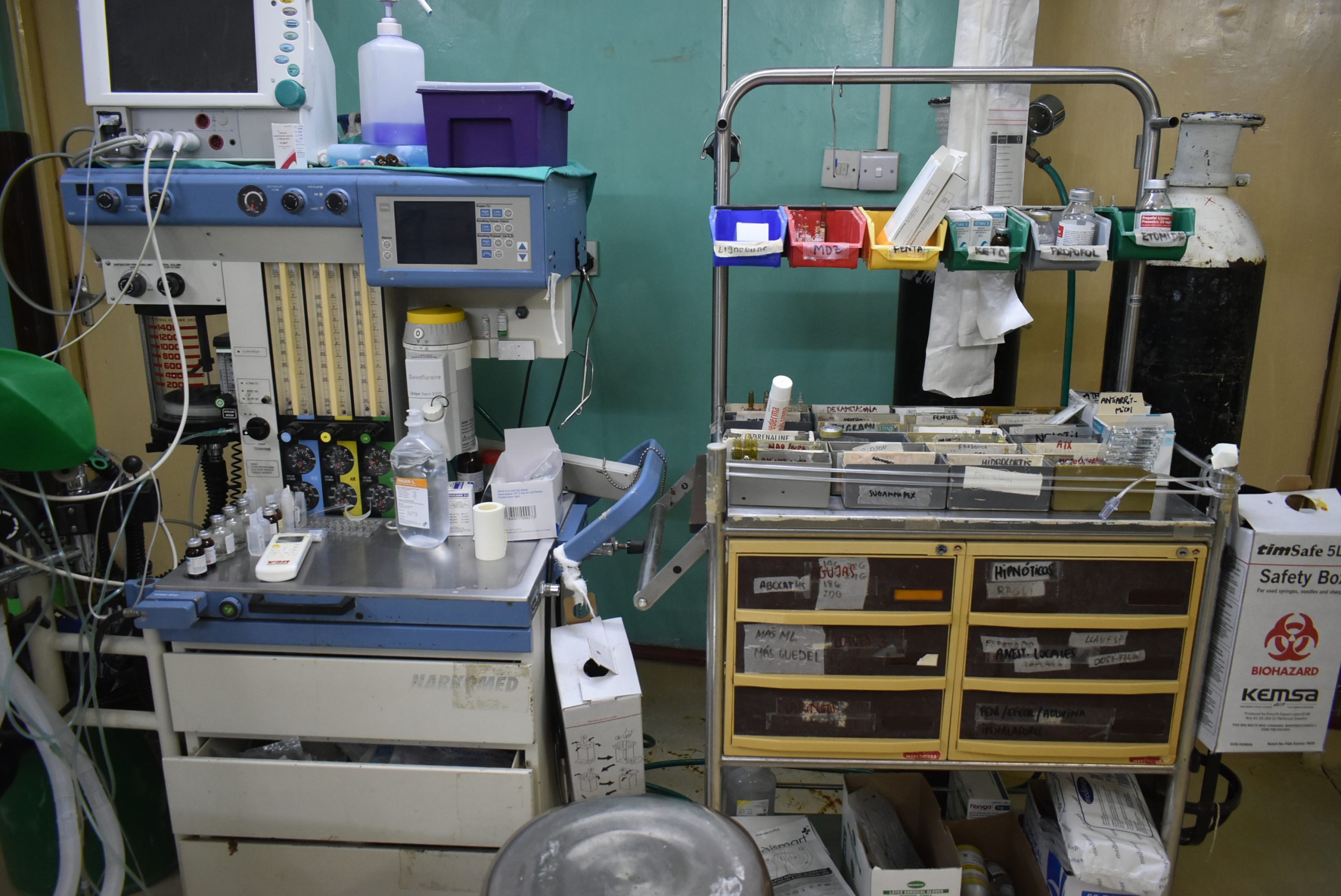
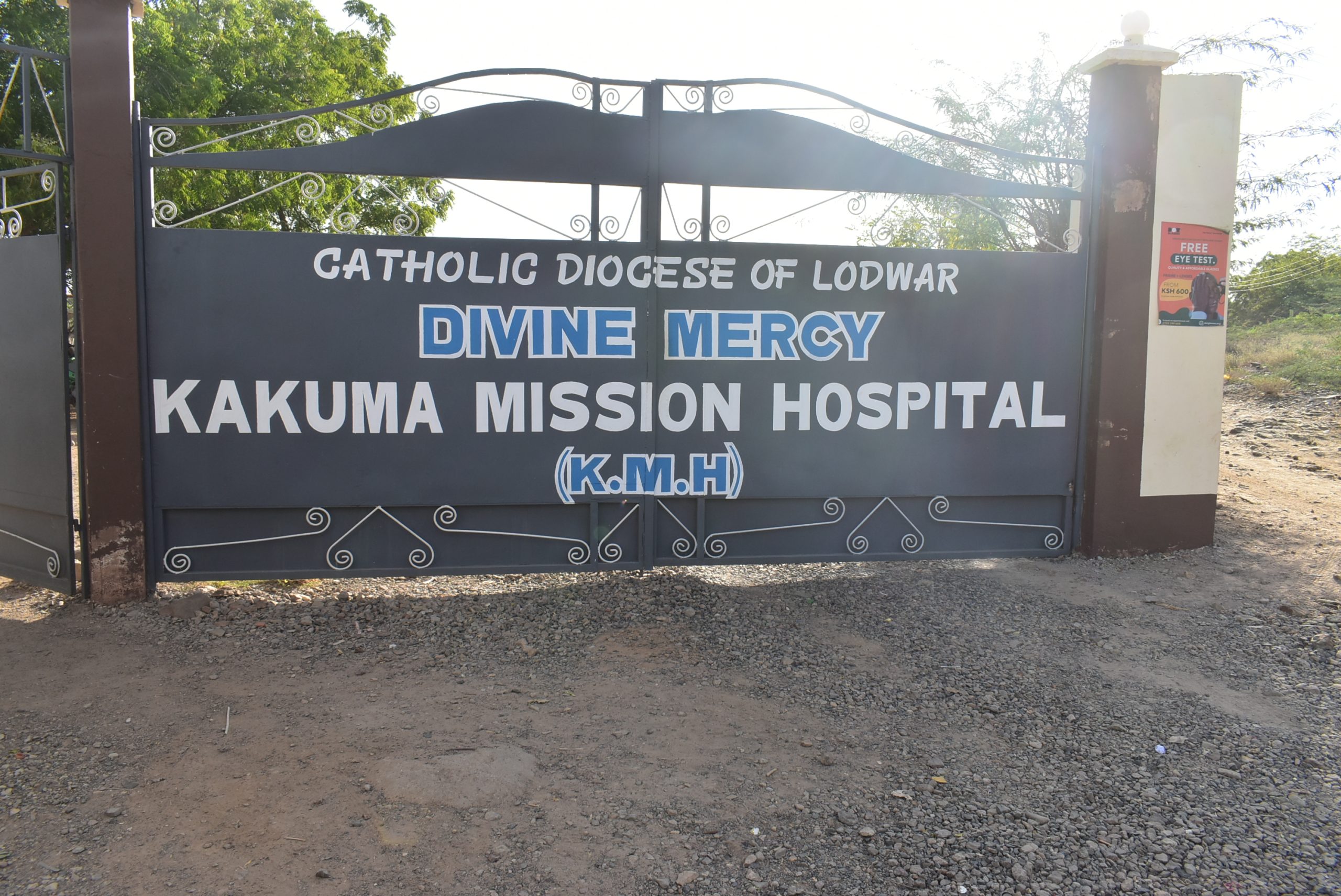
In Turkana County, one of Kenya’s most remote regions, more than 600,000 refugees and host community members rely on Kakuma Mission Hospital (KMH) for essential emergency and surgical care. Yet with only a single, under-equipped operating theatre, the hospital has long struggled to meet the urgent needs of mothers, newborns, trauma patients, and those facing life-threatening medical complications. Many patients must be referred over 150 km away to Lodwar—a delay that too often costs lives.
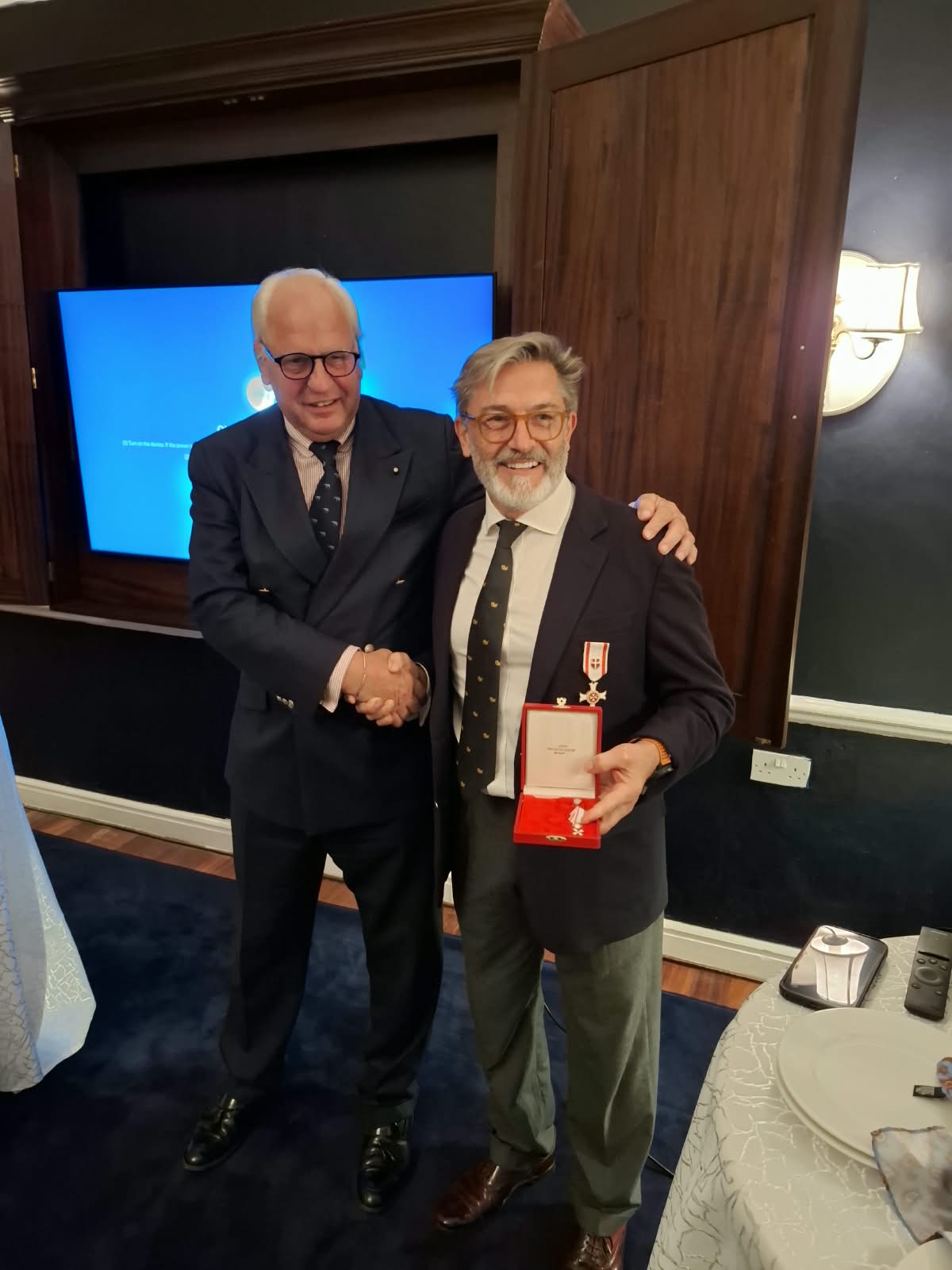
This initiative traces its origins to a joint visit to Kakuma in February 2019 by Ambassador H.E. Wilhelm von Trott zu Solz and Roland Hansen (MI). Witnessing firsthand the profound gaps in medical care for both refugees and the local Turkana population provided the decisive impulse to begin developing a long-term, sustainable solution—an effort that has since grown into the strong partnership and forward-looking programme now underway.
In response, a strong coalition of donors and partners—including the Sovereign Military Order of Malta (OMDP and BASMOM), the Sixt Foundation, Aktion Deutschland Hilft, Malteser International, and the Diocese of Lodwar—has come together to expand KMH’s surgical capacity and strengthen long-term health resilience in Turkana West. Between 2025 and 2027, the project will construct and fully equip new two-bed operating theatres, upgrade water and waste-management systems, and improve patient pathways to ensure safe, timely care.
Significant progress is already visible. Malteser International has secured an additional €80,000 from ADH to procure critical ventilatory and surgical equipment, with procurement now at an advanced stage. Recruitment for the project engineer in a consultancy role is underway, progressing according to plan, and the first site visit along with the Bill of Quantities (BOQ) validation is scheduled for December 2025. To streamline planning and reduce structural costs, donor budgets from BASMOM, OMDP, the Sixt Foundation, and ADH have been consolidated—an important step that enables timely construction of a fully functional operating theatre.
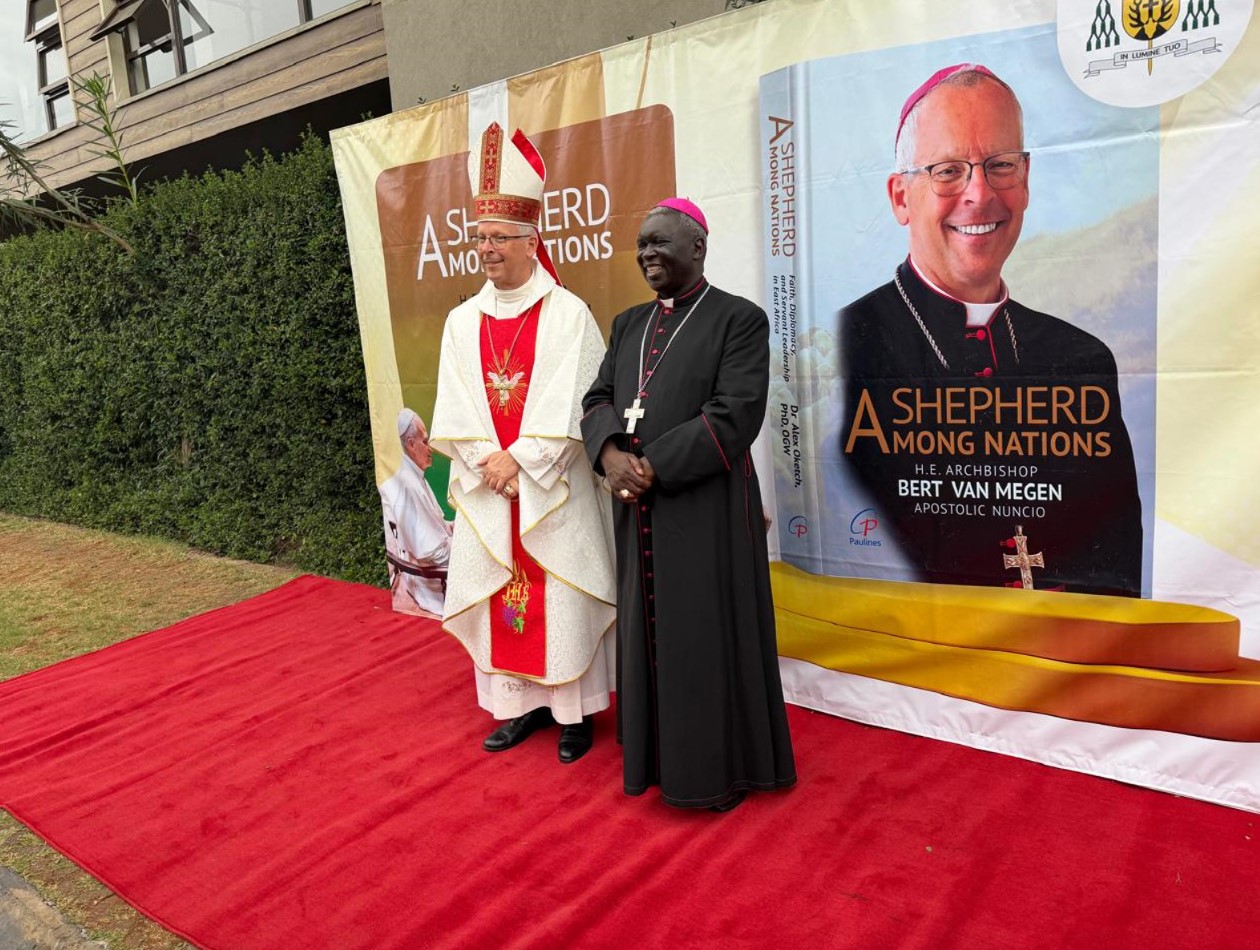
The initiative also invests in long-term sustainability. Training for surgical teams, standardized protocols, and improved monitoring systems will help KMH evolve into a resilient surgical hub for both refugees and host communities. Early stakeholder forums with KMH, the Ministry of Health, and the Diocese of Lodwar have already taken place, and a formal Memorandum of Understanding with DOL now anchors cooperation, oversight, and shared responsibility for lasting impact.
Together, these efforts are laying a strong foundation for a future in which the people of Turkana West can access timely, high-quality, life-saving surgical care—close to home and supported by a committed network of partners.